Loch Ness is one of the most famous lakes in the world. Located in the Scottish Highlands, it attracts more than one million visitors every year.
In this guide, we explore some of the most interesting facts about the Loch Ness Lake. We will also look at the real story behind Nessie, highlight the best places to visit around the loch, and show where to capture stunning Loch Ness Lake pictures.
What is the Loch Ness?
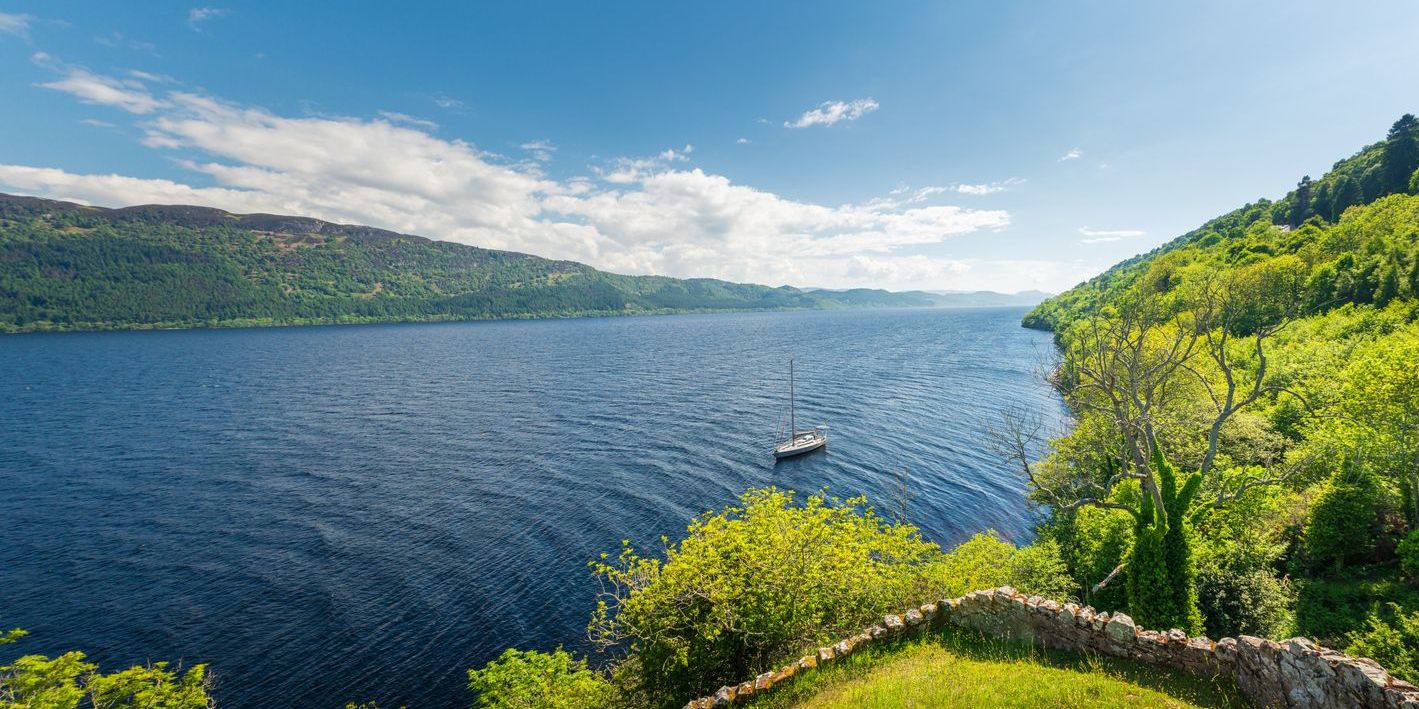
Loch Ness lies in the Scottish Highlands, about 37 km (23 miles) south-west of Inverness, and forms part of the Great Glen, a geological fault line that stretches across Scotland.
Loch Ness lake facts
| Feature | Detail |
| Length | 37 km (23 miles) |
| Maximum depth | 230 metres (755 feet) |
| Surface area | About 56 km² |
| Water volume | More than all lakes in England and Wales combined |
| Year formed | Around 10,000 years ago (end of the last Ice Age) |
6 facts about the Loch Ness Lake
Many fascinating facts about the Loch Ness Lake are much more than the famous monster story.
1. It is incredibly deep
At 230 metres deep, Loch Ness is deeper than the North Sea in many areas. The depth means large sections remain unexplored, which partly explains why myths about hidden creatures developed.
2. The water is very dark
Because of organic matter washed from surrounding peat bogs, the water has very low visibility, sometimes only 2–3 metres. This makes underwater observation extremely difficult.
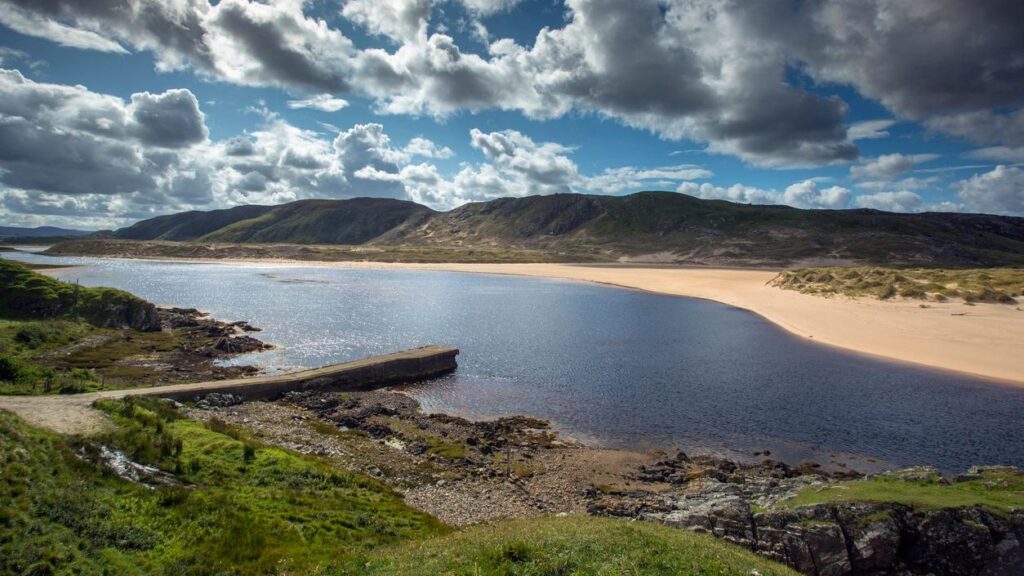
3. The loch rarely freezes
Because of the enormous volume of water and depth, Loch Ness rarely freezes, even during cold Scottish winters.
4. It is part of the Caledonian Canal
Loch Ness forms a central section of the Caledonian Canal, built by engineer Thomas Telford in the early 19th century.
5. The loch supports diverse wildlife
Although famous for Nessie, the real wildlife includes:
- Atlantic salmon
- European eels
- Brown trout
- Otters
- Red deer in the surrounding hills
6. It holds more water than any other UK lake
One of the most surprising Loch Ness lake facts is its water capacity. It contains more freshwater than all the lakes in England and Wales combined.
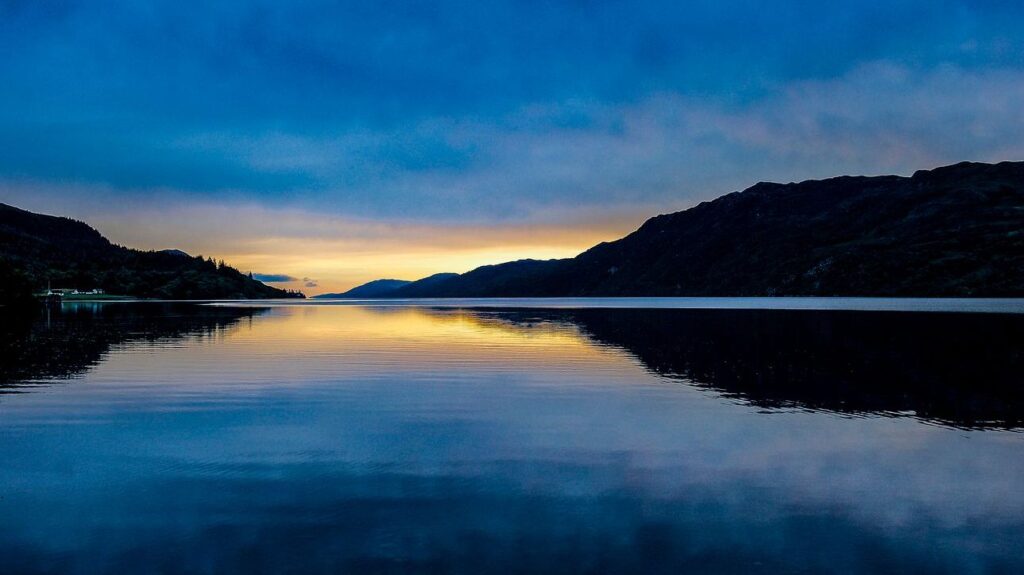
The real story of the Loch Ness Monster
The Loch Ness Monster, affectionately known as Nessie, is one of the most famous legends in the world. But how did the story begin?
The first recorded sighting
The earliest written account dates back to 565 AD, when Irish monk Saint Columba reportedly encountered a strange creature in the River Ness.
The modern legend begins
The modern craze started in 1933, when a couple driving along the loch claimed they saw a large animal moving in the water. Newspapers quickly spread the story. Soon after, a famous photograph appeared.
The “Surgeon’s Photograph”
In 1934, a photo supposedly showing the monster’s head and neck made headlines worldwide. Decades later, it was revealed to be a hoax involving a toy submarine.
Scientific investigations
Several scientific studies have investigated the loch.
Major studies include:
- Operation Deepscan (1987) – sonar survey of the entire loch
- BBC sonar investigation (2003)
- DNA environmental study (2018) analysing water samples
The 2018 study concluded that large unknown animals are extremely unlikely, though it suggested some sightings could be large eels.
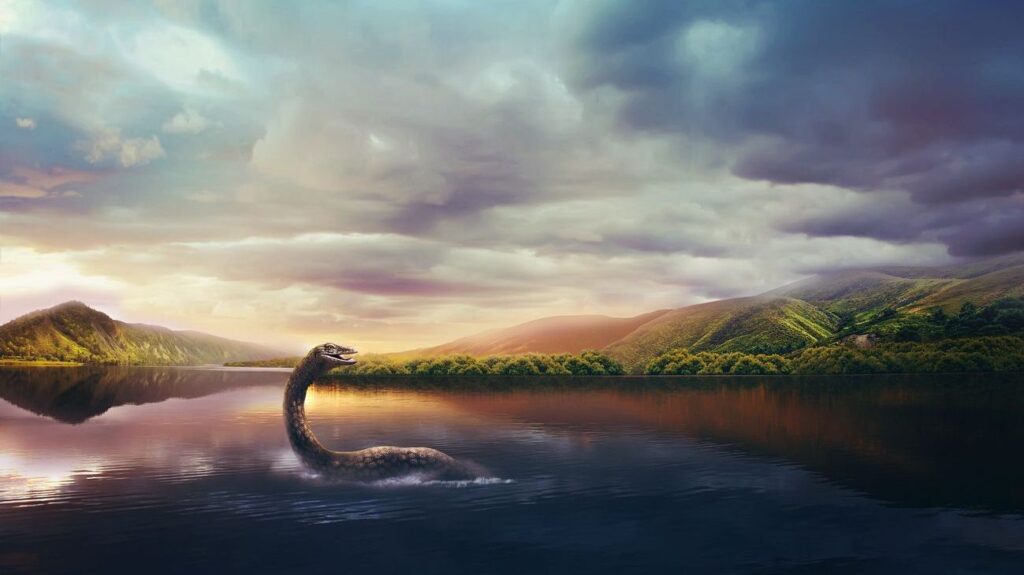
Why the legend continues
Even without definitive proof, Nessie remains an important part of Scotland’s cultural identity. This legend continues largely because of the loch’s vast unexplored depths, its dark waters, and the strong influence of tourism and local folklore.
What to see at Loch Ness
While the legend attracts many tourists from around Scotland and beyond, there are many real attractions around the loch worth exploring.
Urquhart Castle
One of the most famous landmarks on the loch.
Highlights include:
- Ruins dating back to the 13th century
- Spectacular views over the water
- A visitor centre explaining medieval history
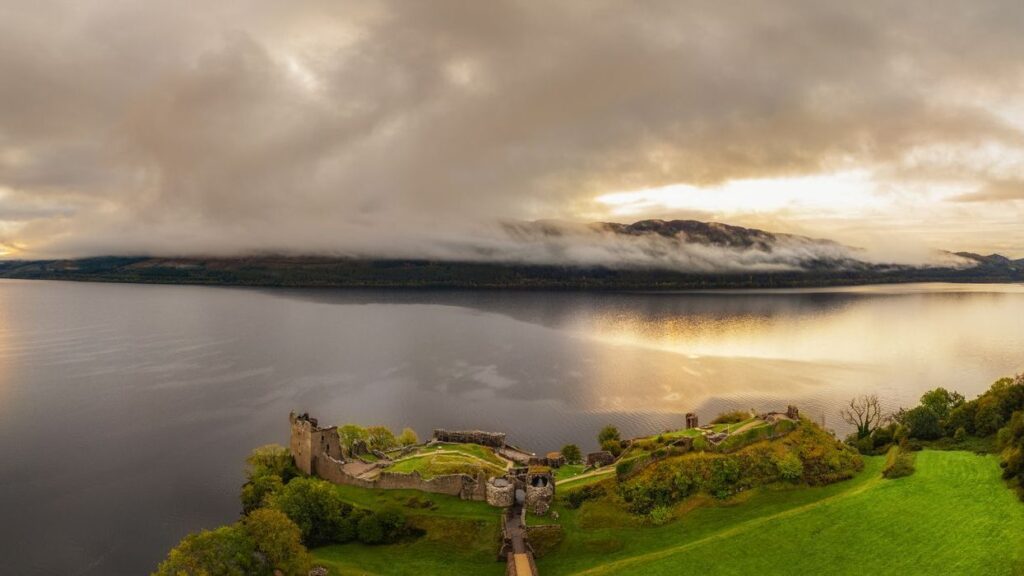
It is also one of the best places to capture Loch Ness Lake pictures.
Loch Ness Centre and Exhibition
Located in Drumnadrochit, this museum explains the science, geology, and history behind the famous loch.
Here, you can learn about the geological formation of the Great Glen, the history of Nessie sightings and sonar and scientific expeditions.
Cruises typically last 1–2 hours.
Great Glen Way
If you love the great outdoors, you will enjoy this 125 km long-distance trail that runs between Fort William and Inverness, passing along Loch Ness.
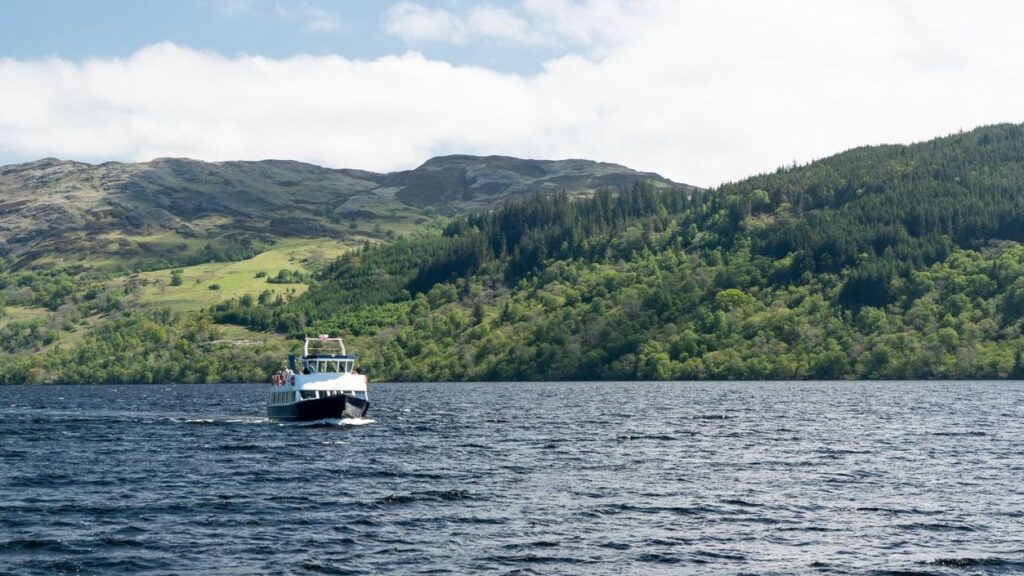
Boat cruises
Several companies offer cruises across the loch.
Typical tours include:
- Sonar equipment demonstrations
- Commentary about Nessie sightings
- Access to remote areas of the loch
How to get to Loch Ness
Although the lake is in a remote setting, reaching Loch Ness is relatively straightforward.
From Inverness
Inverness is the main gateway to the loch.
Car: around 25 minutes to Drumnadrochit
Bus: regular services from Inverness Bus Station
Tour operators: day tours from the city
From Edinburgh
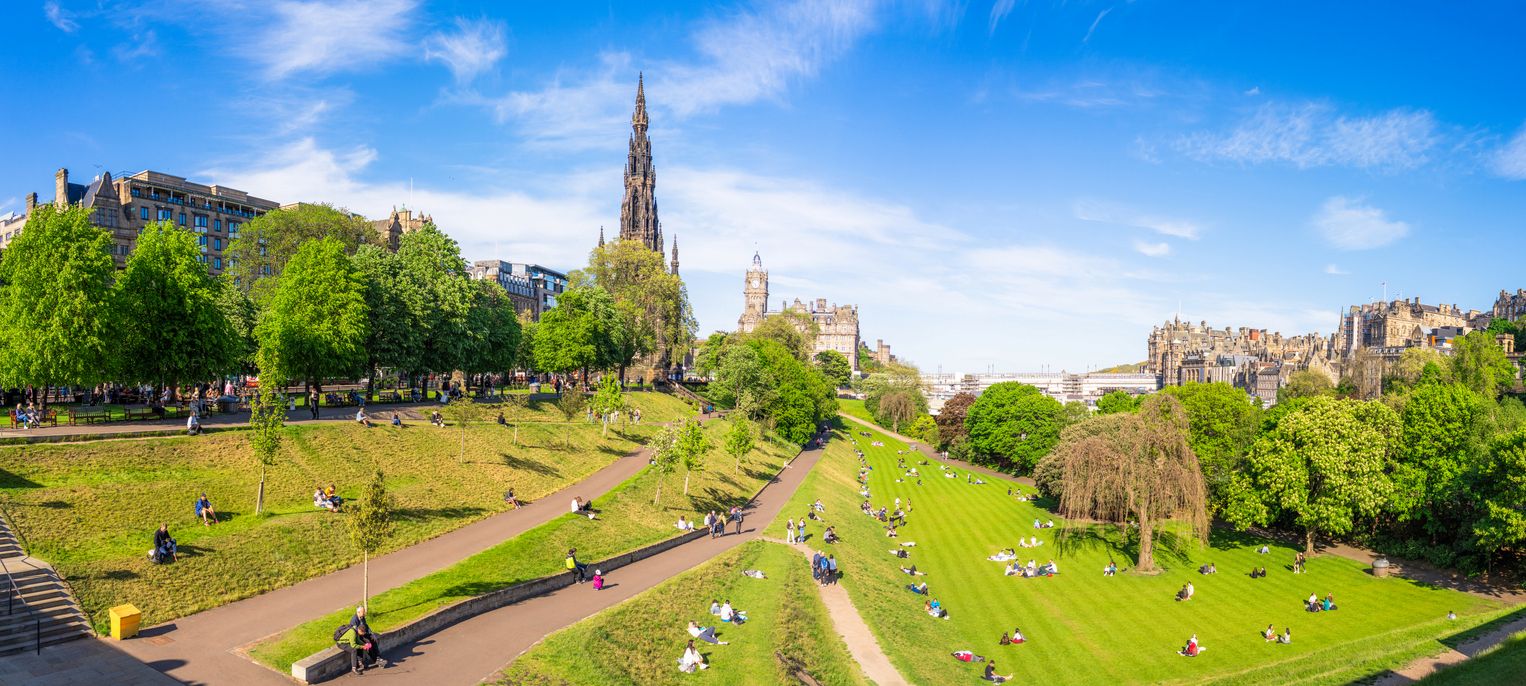
The distance from Edinburgh is roughly 260 km. By car, the trip takes about 3.5 – 4 hours. Alternatively, you can take a train to Inverness and then a bus.
From Glasgow
Distance: roughly 270 km. Takes about 3.5 hours by car.
Travel tips checklist
Before visiting, remember:
- The weather can change quickly in the Highlands
- Roads may be narrow in rural areas
- Booking tours in advance is recommended during the summer
The best Loch Ness photo spots
If you are looking for stunning Loch Ness lake pictures, the best places include:
- Urquhart Castle, with its iconic elevated views
- Dores Beach for calm reflections and sunsets
- Suidhe Viewpoint for panoramic Highland scenery
- Fort Augustus for its charming setting with canal boats and mountain backdrops
Plan your visit to Loch Ness now
Loch Ness is much more than a legendary lake.
To fully enjoy the area, staying nearby is highly recommended. Comfortable accommodation allows you to explore the loch early in the morning or at sunset when the scenery is at its most beautiful.
mySTAYINN offers convenient accommodation options that provide easy access to Loch Ness and the surrounding Highlands, making it the perfect base for your Scottish adventure.