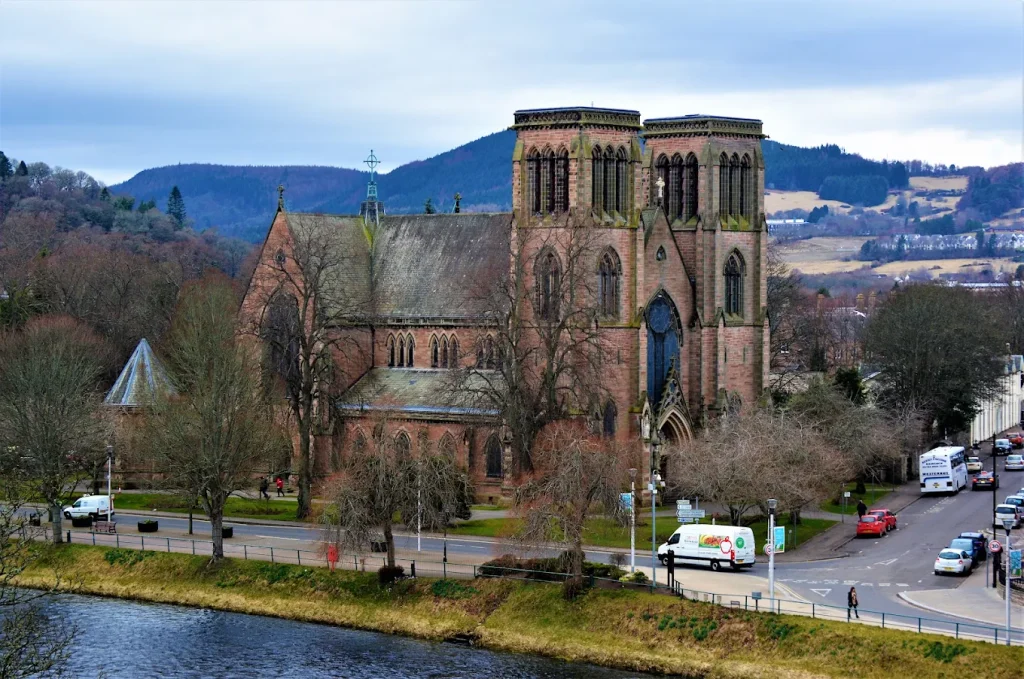
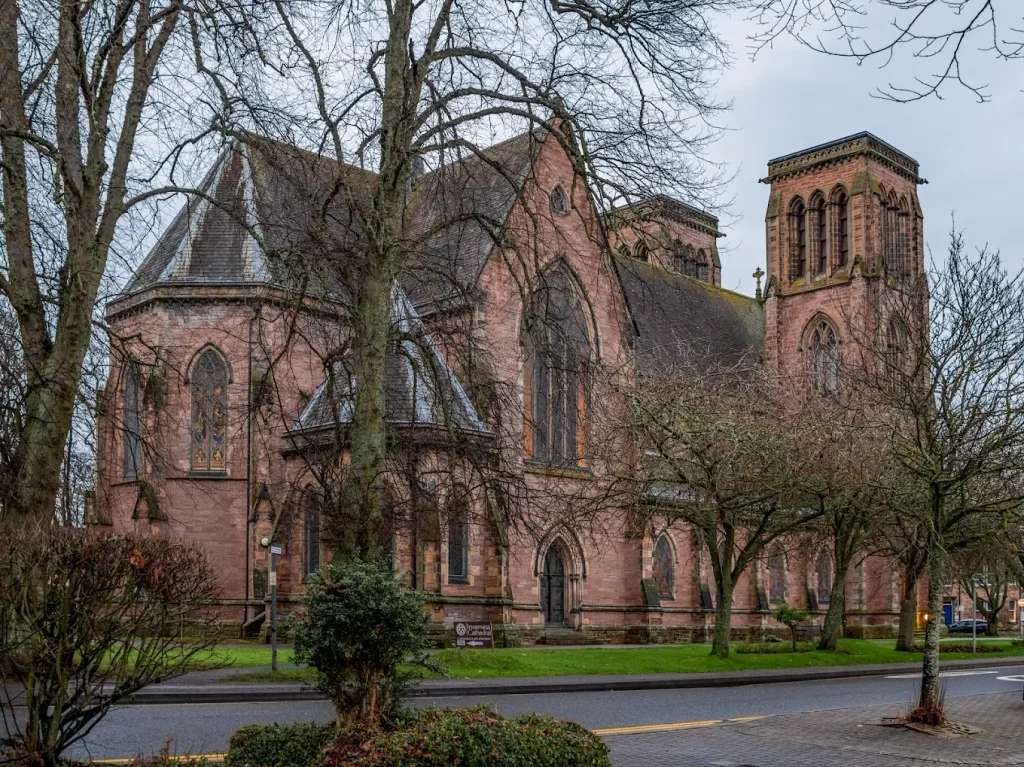
Stand on the east bank of the River Ness and look across, and you will see two square red sandstone towers. That’s Inverness Cathedral, officially the Cathedral Church of St Andrew.
Here you’ll find a short history of the building, what to look for inside, current opening hours and ticket prices, what’s nearby, and the easiest ways to get there.
What is Inverness Cathedral, and why is it worth a visit?
Inverness Cathedral Scotland is the seat of the Scottish Episcopal Bishop of Moray, Ross and Caithness. It’s located on Ardross Street, on the west bank of the Ness, a short walk from the city centre.
The Inverness Cathedral holds two records:
- It was the first new Protestant cathedral completed in Great Britain since the Reformation
- It’s the most northerly diocesan cathedral still standing on the British mainland
History and architecture of Inverness Cathedral
The congregation started small, as a mission on the east side of the river in 1853. Thirteen years later, the Archbishop of Canterbury, Charles Longley, laid the foundation stone for a full cathedral, and the building was finished in 1869.
Alexander Ross created a very ambitious design with two tall spires on top of the western towers. Unfortunately, the money ran out before they could be built, so the towers that you see today stop at around 30 m, flat-topped and a little blunt.
Once you know the story, it’s hard to look at them without imagining what might have been.
What to see inside the cathedral
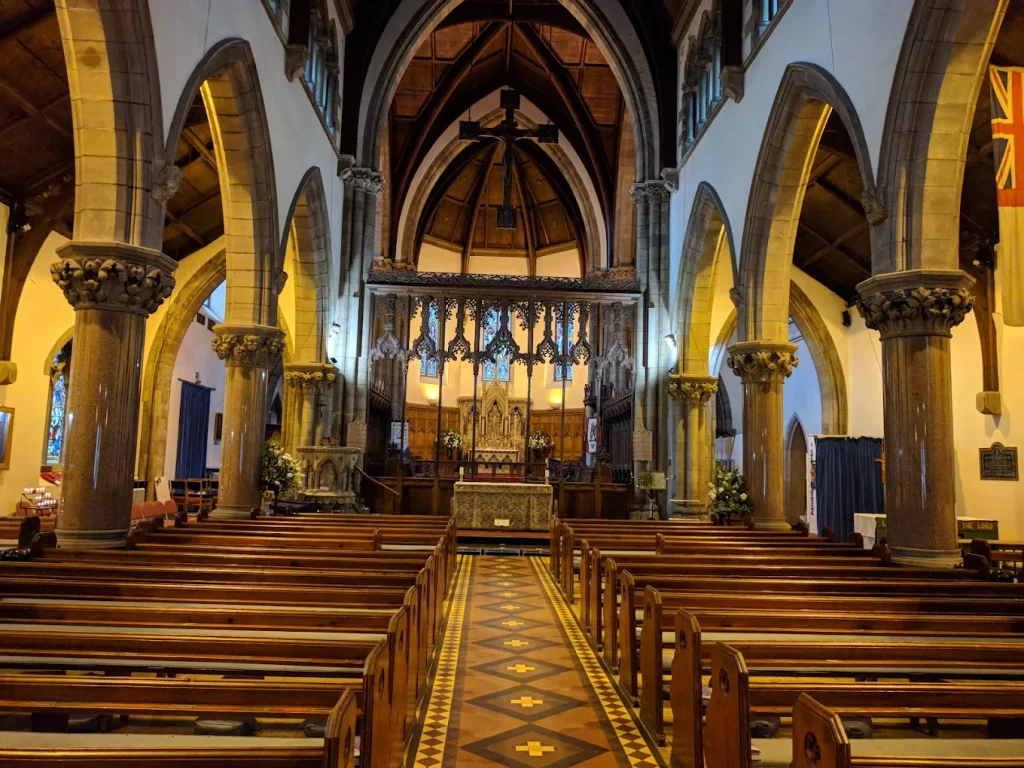
Most of the original 1869 architecture is still in place, along with a few later additions.
| Feature | Maker and date | Why look |
| Great West Window | Hardman & Co | Christ in Majesty at the Last Judgement, in memory of Bishop Robert Eden, who drove the cathedral project |
| Font | James Forsyth Redfern, 1871 | Based on the sculptor Thorvaldsen’s well-known font in Copenhagen |
| Reredos | Thomas Earp, 1869 | Carved Caen stone with Purbeck marble columns behind the altar |
| Nave columns | 1869 | Four bays of single granite columns from Peterhead |
| Rood screen | Sir Robert Lorimer, 1923 | A war memorial by one of Scotland’s best-known architects |
| Bells | Warner & Son, 1869 | Ten bells, the most northerly change-ringing peal in a church in the world |
Inverness Cathedral opening hours, tickets and practical tips
The cathedral is open every day of the year, from 9 am to 6 pm, and it opens earlier for services. It gets no public funding, so it charges a small entry fee to help with upkeep.
| Ticket | Price |
| Adult | £6 |
| Teenager (13 to 17) | £3 |
| Child (4 to 12) | £2 |
| Under 4 | Free |
- Accessibility: ramp access at the rear, an accessible toilet and a hearing loop during services
- Shop and café: the shop keeps the same 9 am to 6 pm hours, and there’s a café on site for a coffee afterwards
- Group tours: schools and youth groups can book a full tour, including the bell tower
- Services: the cathedral is a working church, so be quiet and respectful during worship
When is the best time to visit the Inverness Cathedral?
Timing makes a difference. Summer has many coach tours and cruise passengers in the city, so if you’d like the nave to yourself, go soon after the doors open or in the last hour before closing. A visit to Inverness Cathedral Scotland, rarely takes more than an hour, which makes it easy to fit around other plans.
Must-do checklist:
- Stand at the back of the nave and look up at the west window
- Find the Thorvaldsen-style font in the baptistry under the south-west tower
- Look at the flat-topped towers from the opposite riverbank and picture the spires that were never built
- Leave a donation if you can, as the building relies on it
The riverside grounds and attractions near Inverness Cathedral
The cathedral sits right on the riverside path, so it’s a great stop along your walk. Next door is Eden Court, the Highlands’ biggest arts centre, with theatre, dance and a cinema. Across Ness Bridge and up the hill, the Inverness Castle Experience opened in February 2026 after a £47 million transformation. It has Highland history exhibitions and views over the city, and the gardens, bistro and shop are free to enter.
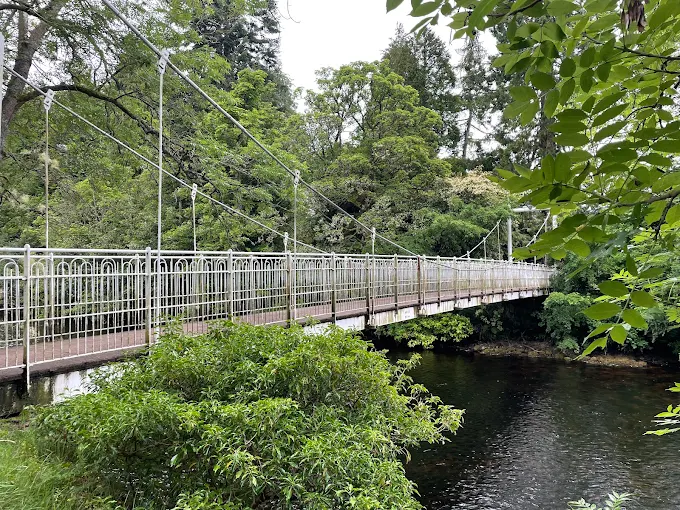
- Ness Islands: about 15 minutes upstream on foot, the Ness Islands walk is a 2.4 km loop of footbridges and woodland.
- Inverness Museum and Art Gallery: just below the castle, the city museum covers Pictish stones, Jacobite history and Highland wildlife.
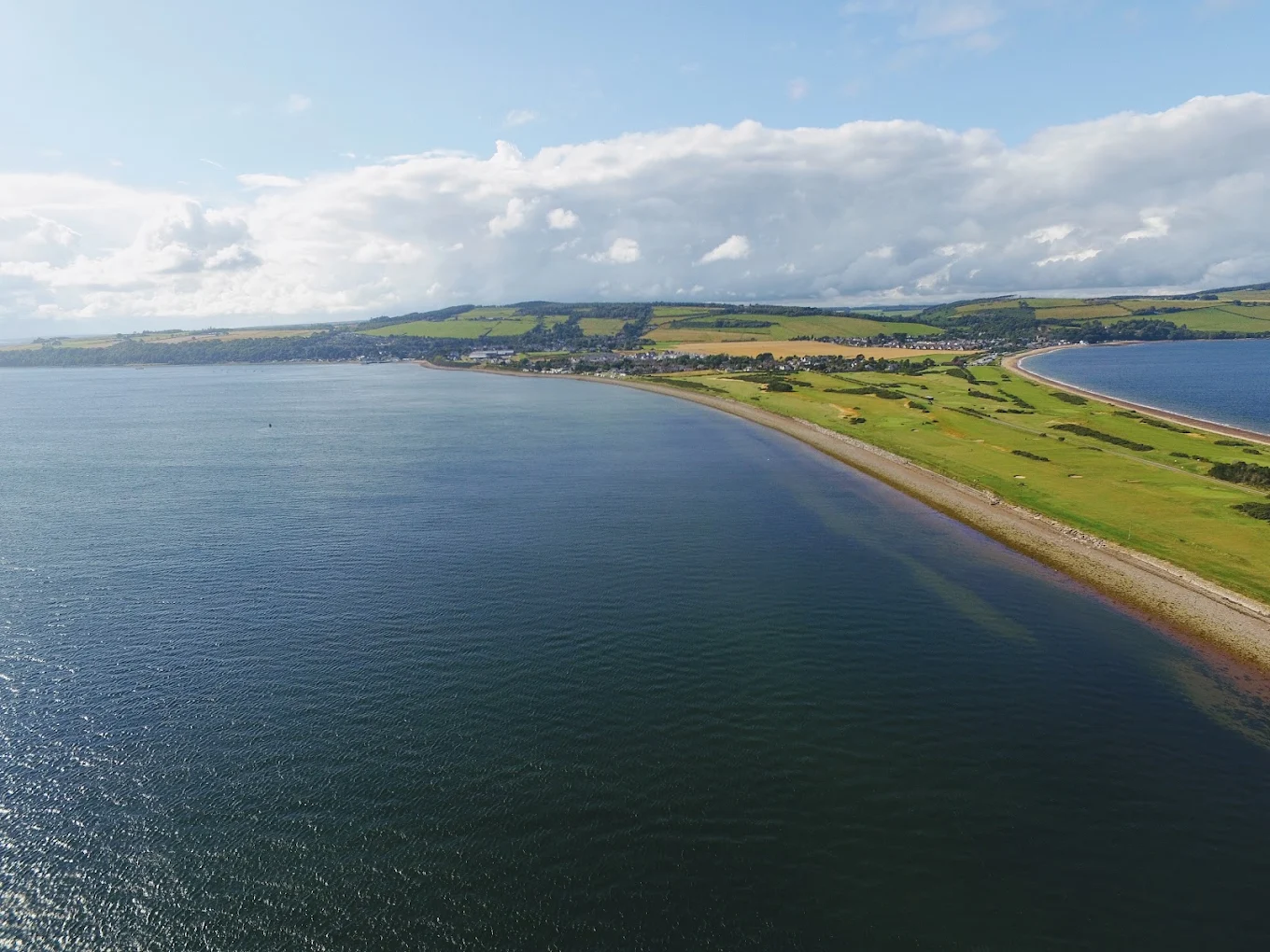
- Dolphins in the Moray Firth: a short drive away, Chanonry Point is one of the best places in the UK to see bottlenose dolphins from the shore.
How to get to Inverness Cathedral on foot, by car and by train
Inverness is not a big city, so for most people walking is easy.
- On foot: from the High Street, cross Ness Bridge and turn left along the river. The cathedral is a few minutes along the bank.
- By train: Inverness station is in the city centre. Head towards the river, cross Ness Bridge and follow the west bank south, about 15 minutes in total.
- By car: from the A9, follow signs for the A82 and then for the Cathedral Long Stay Car Park, a Highland Council car park just beyond the building. Ardross Street has limited metered spaces, and there’s no parking in the cathedral grounds.
Plan your Inverness Cathedral visit with a stay at mySTAYINN
An hour at Inverness Cathedral is a good way to slow down between bigger days out in the Highlands. Go in the morning, walk out to the Ness Islands, and save the afternoon for the castle or a trip out to watch for dolphins near Inverness.
mySTAYINN has apartments in Inverness city centre and self-catering homes within walking distance of the river.
Stay close by, and make the cathedral part of your evening stroll. Have a look at what’s free for your dates and pick the place that suits your trip.
Don’t hesitate; book your holiday to Inverness today and stay with mySTAYINN.