Exploring Scotland by road is one of the best ways to see the country. Having a well-planned touring map of Scotland allows you to move beyond the main cities of Inverness and Glasgow and discover places that are difficult to reach by public transport.
This guide explains how to use a touring map Scotland effectively. It covers the country’s main regions, scenic routes, must-see stops, and essential driving tips.
Understanding a touring map of Scotland
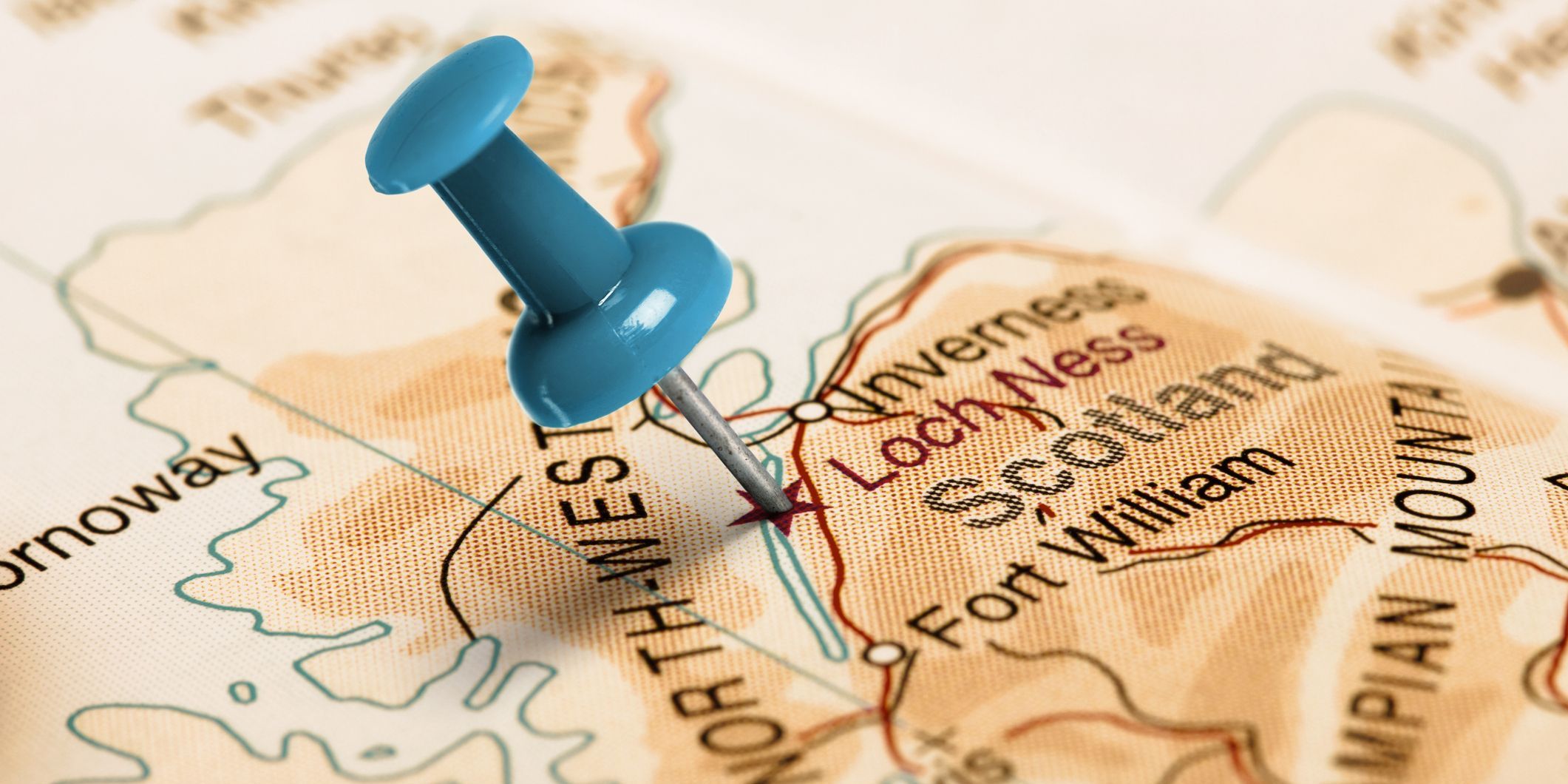
A touring map of Scotland is not a basic road map. It combines route options, distances, terrain, and key attractions all in one place. This is particularly important in rural regions such as the Highlands and islands, where mobile signal can be unreliable.
Key benefits of using a touring map of Scotland
- Clear overview of distances and driving times
- Easy identification of scenic and lesser-known routes
- Better planning for fuel, EV charging and rest stops
- Improved awareness of weather-sensitive roads
Planning checklist ✔
- Download offline maps before leaving cities
- Carry a paper touring map as a backup
- Mark the accommodation and fuel stops in advance
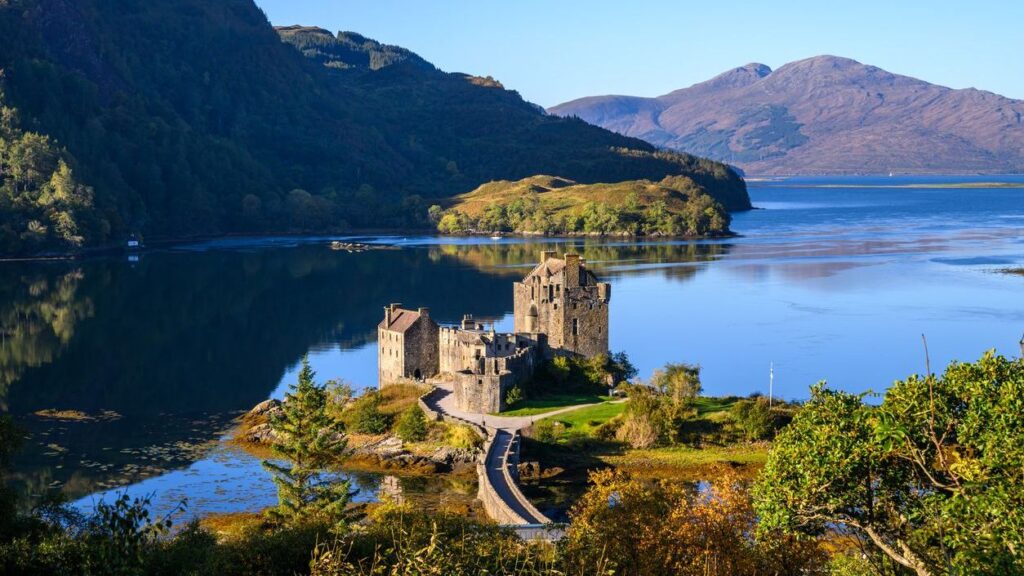
Main regions of the country
A good touring map Scotland divides the country into regions, each with its own landscapes, driving conditions and highlights.
Central Belt
The Central Belt is home to Scotland’s two largest cities, Edinburgh and Glasgow. This area is compact and well-connected, making it an ideal starting or ending point for a road trip. You can easily combine historic landmarks, museums and food scenes with easy motorway access to the rest of the country.
North-East Scotland
This region, centred around Aberdeen and Speyside, is known for its coastal scenery, castle trails and whisky heritage. Touring maps often highlight the Malt Whisky Trail, which connects more than 50 distilleries across the area.
South and South West
Often quieter and less visited, the south of Scotland offers forest parks, rolling countryside and coastal roads. Dumfries and Galloway is particularly suited to relaxed touring, with fewer crowds and shorter driving days.
Highlands and Islands
The Highlands cover a vast area and have some of the lowest population densities in Europe, with fewer than 10 people per square kilometre in many areas. Highlights include Loch Ness, Glencoe, the Isle of Skye and the Northern Lights sightseeing.
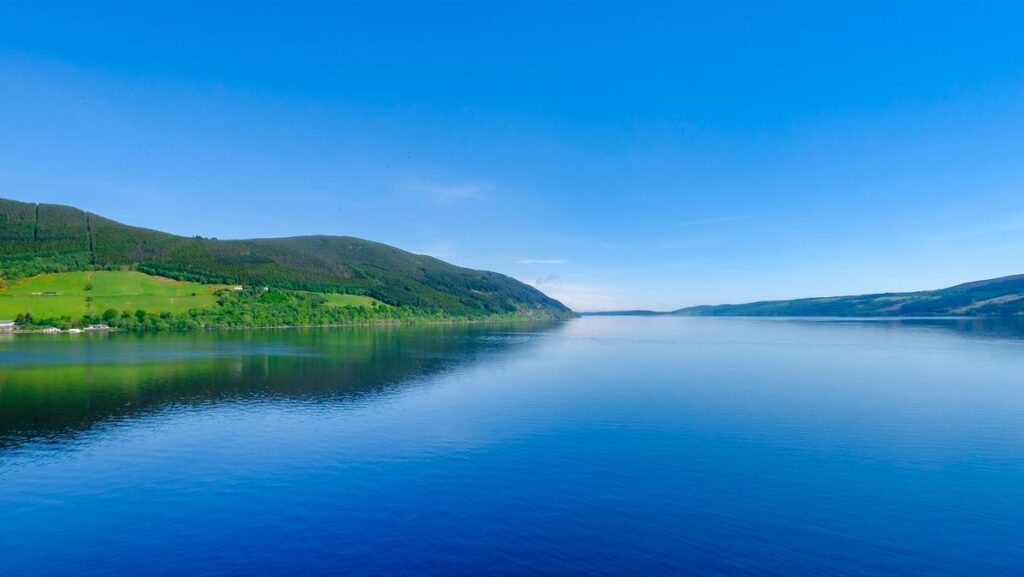
Map of scenic routes and roads
A great way of using a map of Scotland is to identify the natural areas and scenic routes within the country.
North Coast 500
The North Coast 500, commonly known as the NC500, is a 516-mile circular route around the far north of Scotland. It takes you through dramatic coastal scenery, mountain passes and remote villages. While very beautiful, it can be busy in summer and includes many single-track roads.
Isle of Skye Loop
The Skye loop covers around 110 miles and includes famous landmarks such as the Fairy Pools and the Old Man of Storr. Touring maps help identify quieter times of day and alternative viewpoints to avoid congestion.
Argyll Coastal Route
This route runs along Scotland’s west coast, combining sea views, lochs and castles. It is well-suited for anyone who prefers steady driving days and frequent stopping points.
East Coast Route
Stretching from Edinburgh to Aberdeen, the east coast route features fishing villages, cliffs and historic towns. It is generally less demanding to drive than Highland routes.
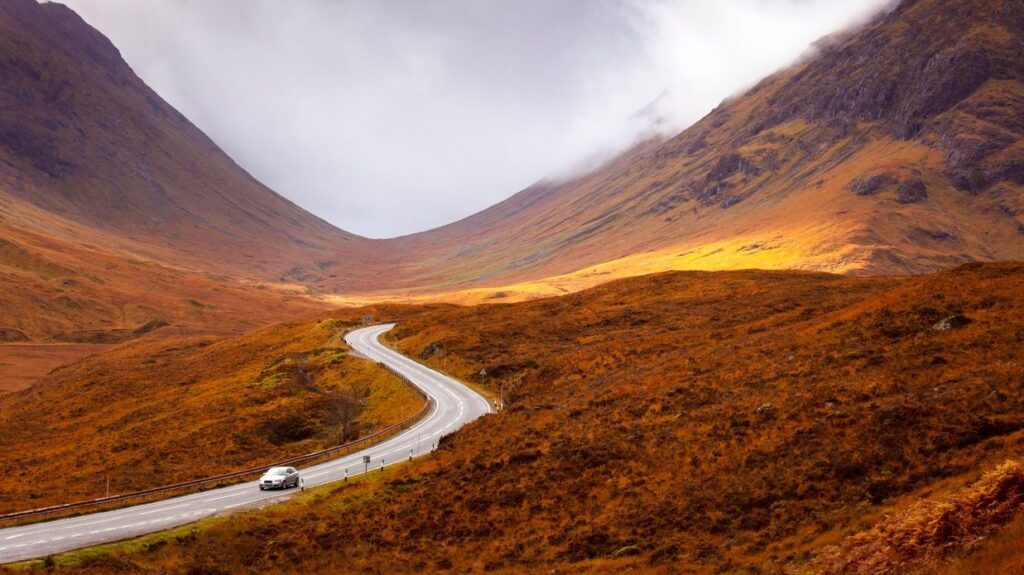
Must-stop highlights you can’t miss in Scotland
A well-marked tour map of Scotland helps prioritise stops without overloading the itinerary.
Natural landmarks
When touring Scotland, several natural landmarks stand out as essential stops along the way.
Glencoe is widely regarded as one of the country’s most dramatic mountain valleys, offering powerful scenery shaped by ancient volcanic activity and glaciation. Further north, Loch Ness is a must-see, not only for its beauty but also for the folklore that has made it one of Scotland’s most iconic destinations. Meanwhile, on the Isle of Skye, the Fairy Pools have crystal-clear waters and cascading waterfalls, creating one of the most photographed natural settings in the Highlands.
Cultural and historic sites
- Edinburgh Castle dominates the capital’s skyline
- Culloden Battlefield, one of Scotland’s key historical sites
- St Andrews, a historic university town and home of golf
Food and drink stops
In Speyside, whisky distilleries are a major highlight. You can explore the heart of Scotland’s whisky-making tradition and sample some of the world’s most renowned single malts. Along the north and west coasts, small seafood villages have great fresh local produce. Meanwhile, traditional pubs in rural communities offer a welcoming atmosphere where you can enjoy classic Scottish dishes, local ales and a genuine sense of local life.
What’s the best way to plan a roadtrip?
Using a touring map of Scotland effectively starts with realistic planning.
1. Choose your route
Decide whether the trip will be a loop or a point-to-point journey. Touring maps help estimate realistic daily driving distances, especially in rural areas where average speeds are lower.
2. Plan driving time carefully
In the Highlands, 100 miles can easily take three to four hours due to road conditions and photo stops. Shorter driving days often result in a more enjoyable experience.
3. Book accommodation strategically
Accommodation can be limited in remote areas, especially in summer. Mark overnight stops on your tour map of Scotland and book in advance where possible.
4. Prepare navigation tools
Combine digital navigation with printed maps, particularly for areas with limited mobile coverage.
Tips for driving in Scotland
- Drive on the left at all times and follow UK speed limits, which range from 30 mph in built-up areas to 70 mph on motorways.
- Avoid using mobile phones while driving, as this is strictly prohibited and heavily enforced.
- Be prepared for single-track roads in rural areas.
- Watch out for wildlife such as deer and sheep, especially at dawn and dusk, and be aware that weather conditions can change rapidly in mountainous regions.
Visit Scotland today!
A carefully planned touring map of Scotland is the key to unlocking the country’s full potential.
For a comfortable and well-located base along your journey, book your accommodation with mySTAYINN. With options ranging from city stays to countryside retreats, mySTAYINN makes it easy to rest, recharge and continue exploring Scotland’s unforgettable landscapes.